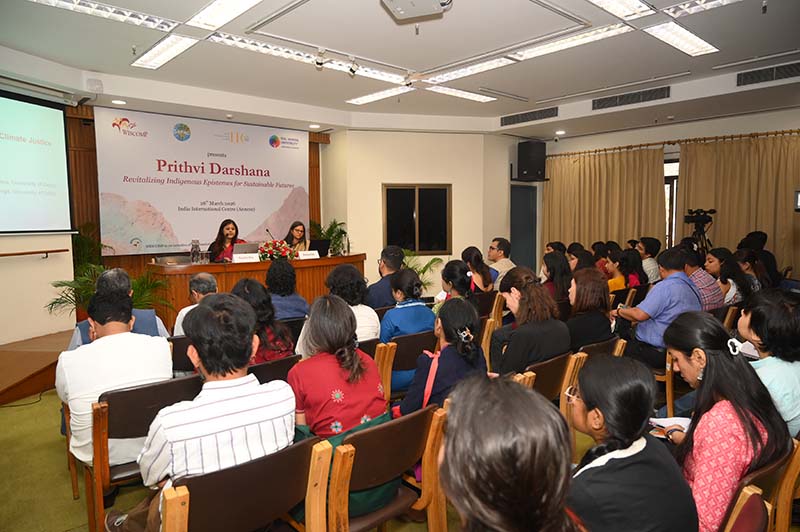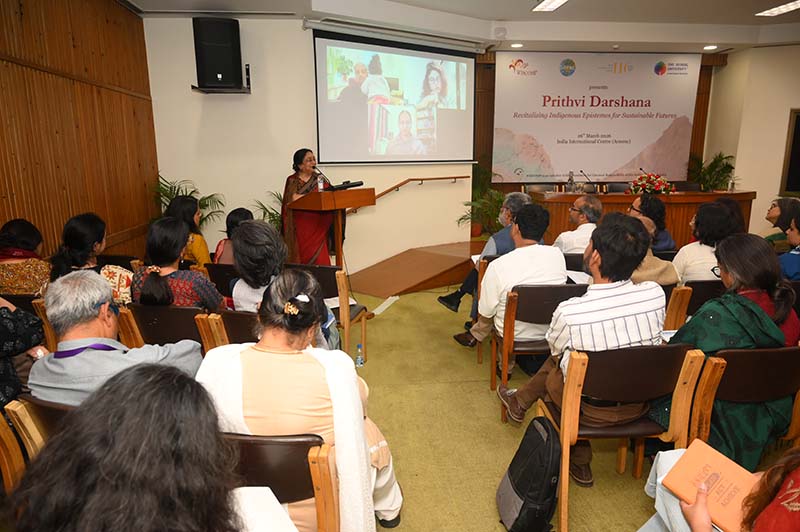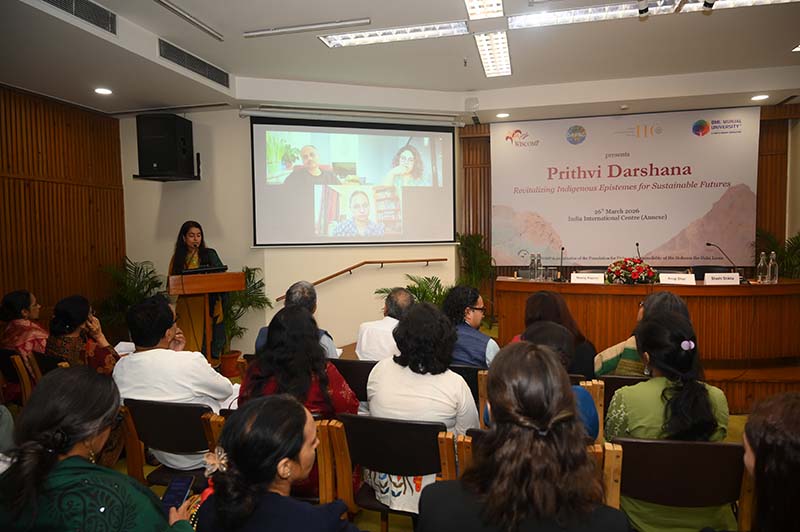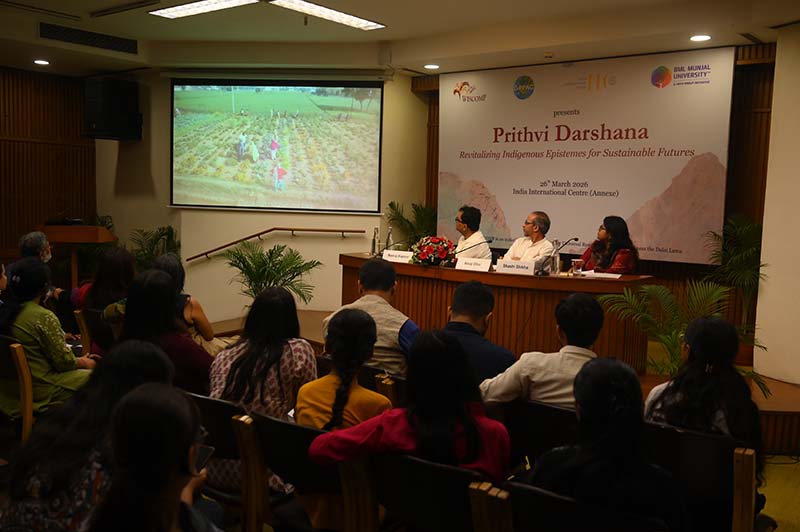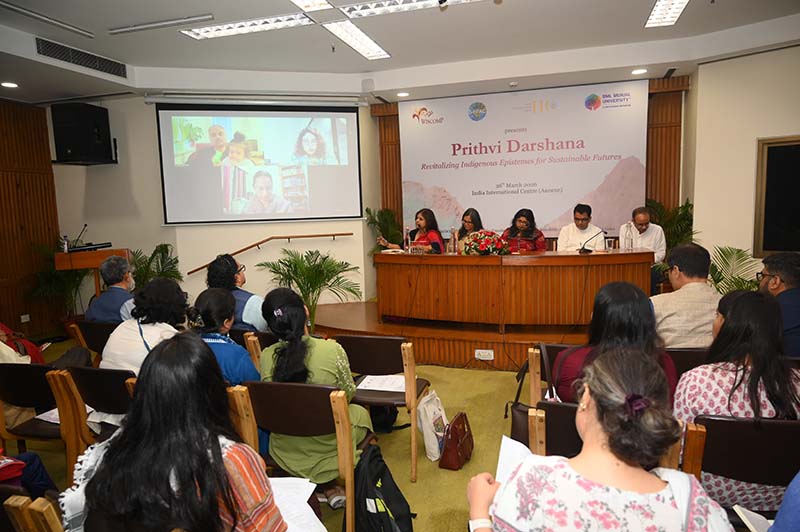
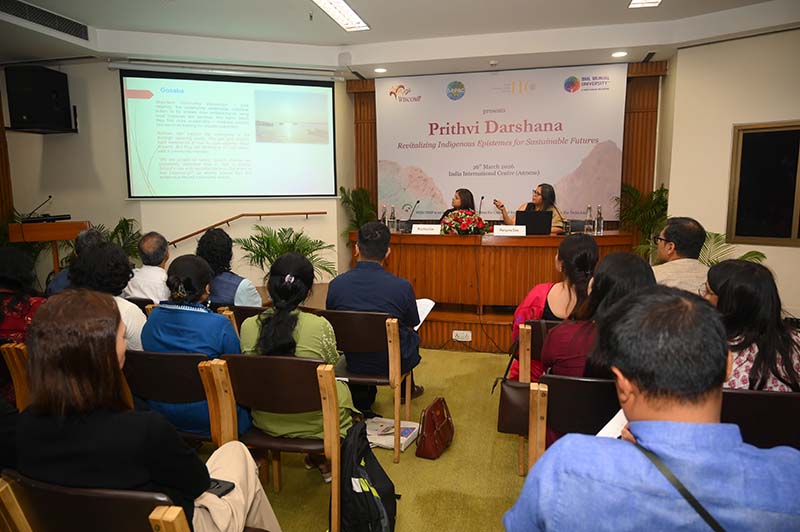
WISCOMP’s symposium Prithvi Darshana: Revitalizing Indigenous Epistemes for Sustainable Futures, held in collaboration with the Global Partnership for the Prevention of Armed Conflict (GPPAC), the India International Centre (IIC), and BML Munjal University at the IIC Annexe, New Delhi on 26th March 2026, was conceived not only as a climate‑change event but as an invitation to rethink how climate change is understood, taught, and responded to in South Asian institutions of higher learning.
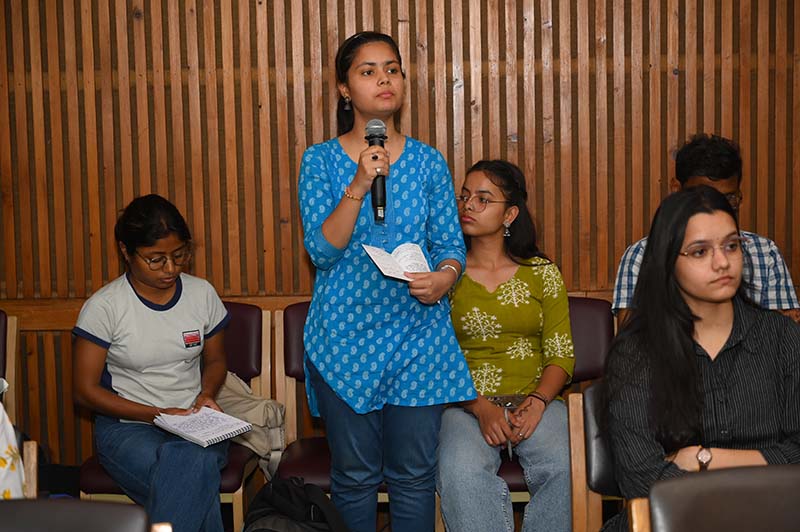
Bringing together seasoned scholars, young researchers, community practitioners, and students in an intergenerational dialogue, the symposium created a space that was intellectually rigorous, pedagogically imaginative, and grounded in the lived realities of communities on the frontlines of ecological crisis. Parallel to the discussions, the exhibition Dhānya‑Vaividhya, a celebration of indigenous seed diversity, made visible the symposium’s core argument: that sustainable futures must be rooted in indigenous epistemes and lived ecological wisdom, and that seeds are not merely agricultural inputs but archives of memory, resilience, and intergenerational care.
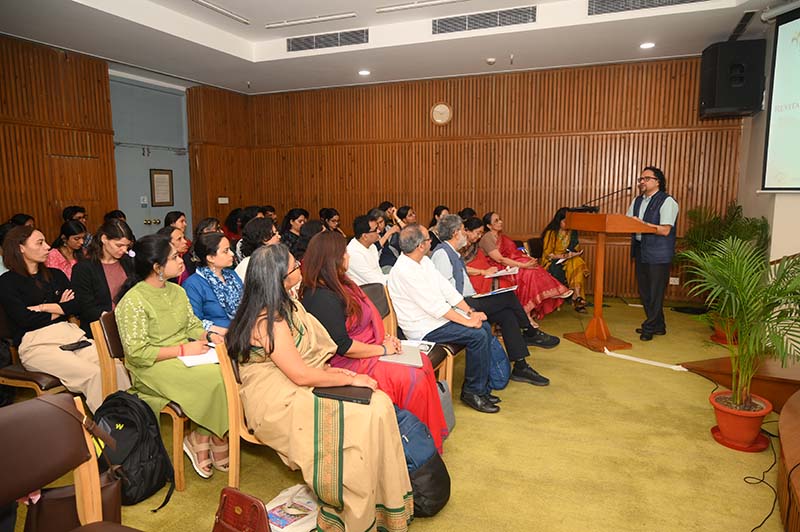
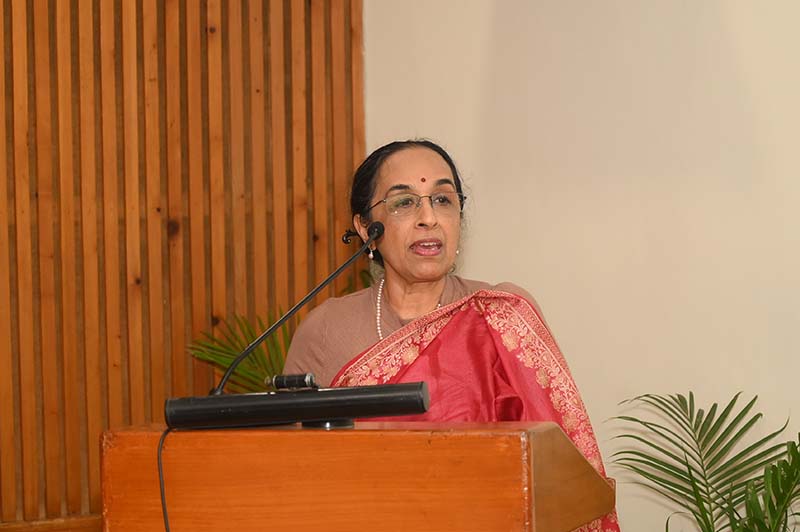
The event opened with the provocation that climate change is not only an environmental crisis but a crisis of knowledge, and that conventional academic responses are limited by binaries between university and field, expert knowledge and indigenous wisdom, and Northern science and Southern epistemologies. This framing was deepened by Prof. Krishna Menon (Professor and former Dean, School of Human Studies, Dr. B.R. Ambedkar University Delhi) and Prof. Arindam Banerjee (Dean and Professor, School of Liberal Studies, BML Munjal University) and further enriched by the contributions of Dr. Ruchira Das (Senior Associate Professor, Institute of Home Economics, DU), Dr. Ranjana Das (Associate Professor, Ramjas College, DU), Prof. Anup Dhar (Professor of Philosophy, School of Liberal Studies, BML Munjal University), Dr. Bhavya Chitranshi (Associate Research Fellow, Western Sydney University, Australia), Ashutosh Kumar (Doctoral Scholar, University of Groningen The Netherlands), Swarnima Kriti (Doctoral Scholar, Massey University New Zealand), Neeraj Kapoor (CEO FPO, Gurjia Charities), Shashi Shikha (Founder-Director, Kikaboni Living Pvt. Ltd.), Prof. Shyam Menon (Vice Chancellor, BML Munjal University), and Dr. Meenakshi Gopinath (Founder-Director, WISCOMP Life Trustee, IIC). Together, they demonstrated that the recovery of indigenous epistemes, the centrality of women’s ecological knowledge, and the rethinking of climate pedagogy are not supplementary concerns but the structural heart of any adequate response to the climate crisis.
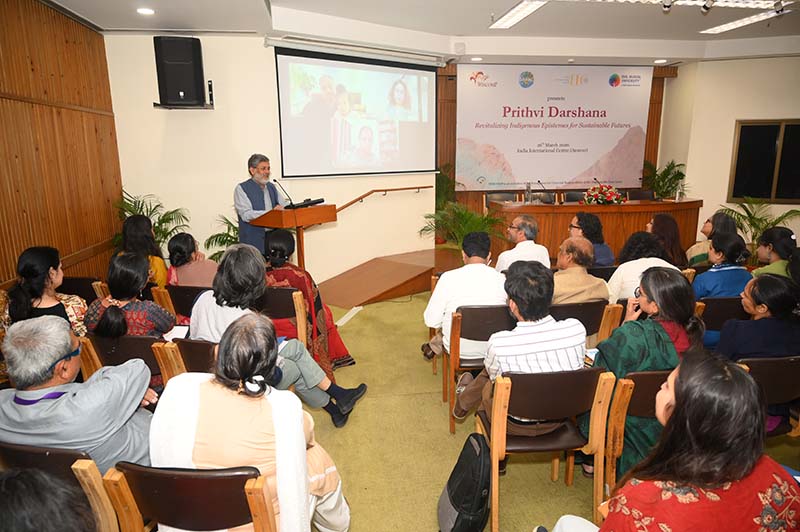
The symposium closed with a continued reflection, affirming WISCOMP’s deepening commitment to the intersections of climate, conflict, and gender, and to the idea that peacebuilding in the twenty‑first century is inseparable from how human communities relate to the Earth itself.
.