How can South Asia transform climate vulnerability into an opportunity for greater cooperation, social cohesion, and human security — and what does it mean to place indigenous knowledge and women’s leadership at the centre of that response?
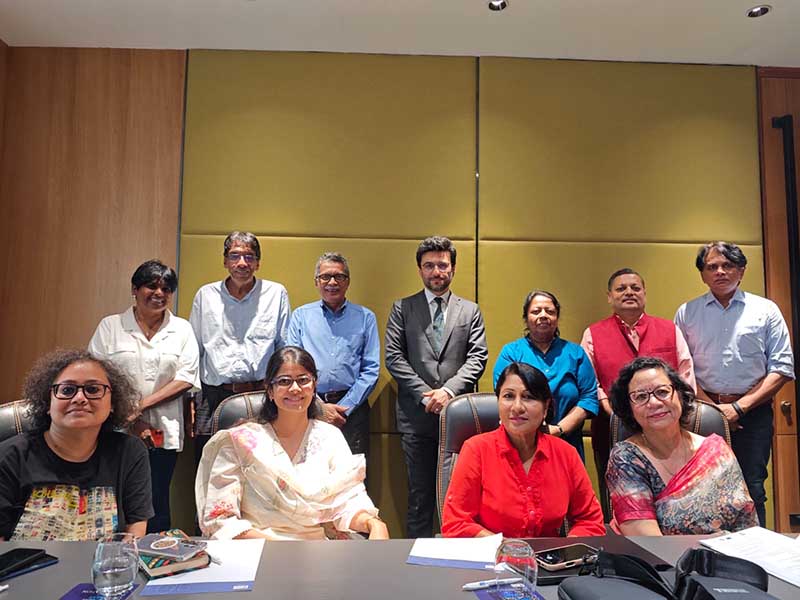
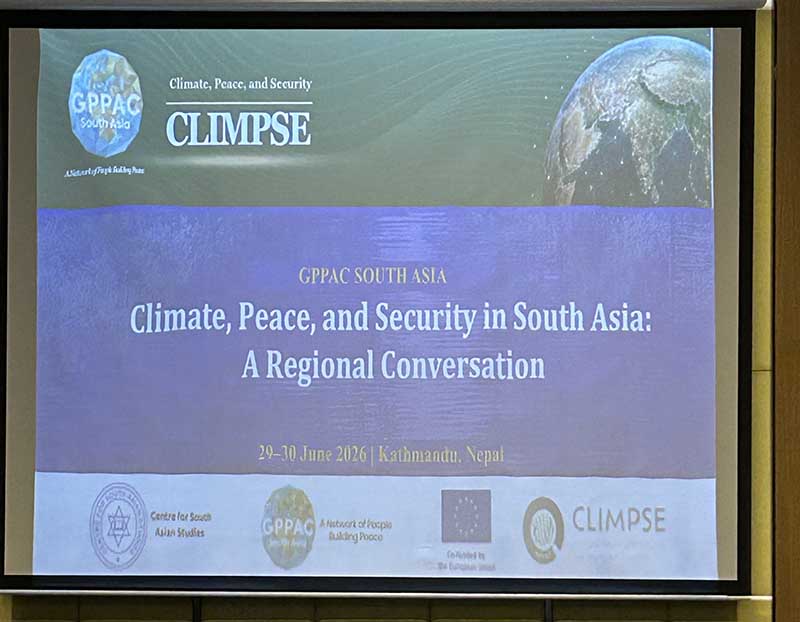
WISCOMP participated in the South Asia Youth Workshop and the Regional Conference on Climate, Peace and Security: A Regional Conversation, held in Kathmandu, Nepal from June 25–30, 2026. The engagement was anchored in WISCOMP’s standing as a member of the GPPAC South Asia Regional Steering Committee, and reflected the organisation’s continuing commitment to bringing gender-just and locally grounded knowledge into regional conversations on climate, peace, and security.
Youth Workshop: Centring Young Peacebuilders
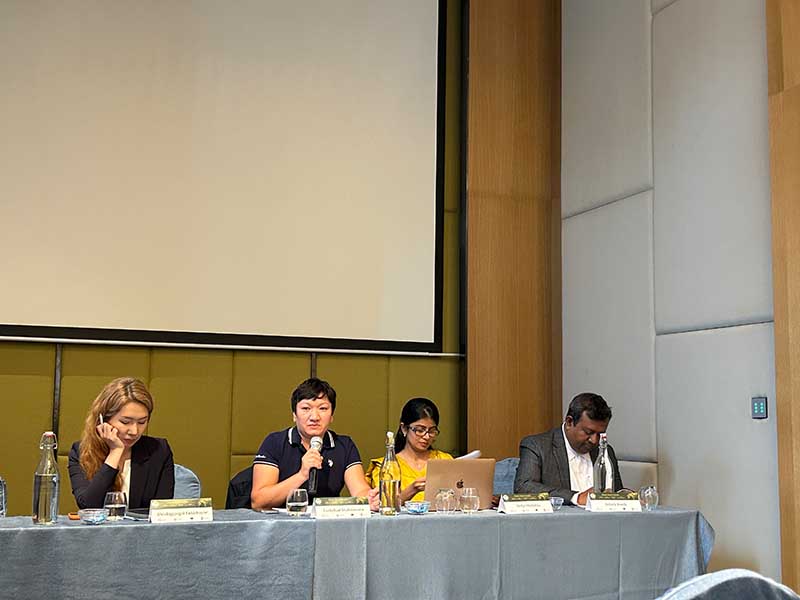
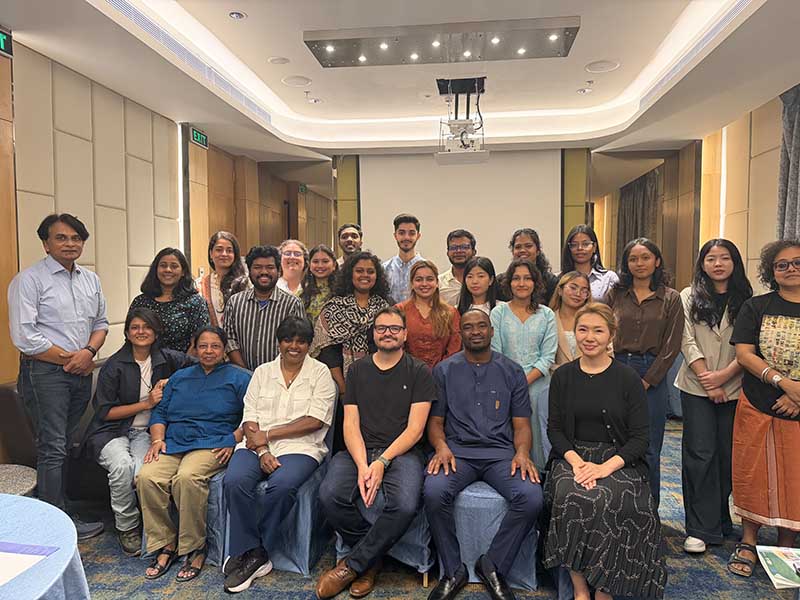
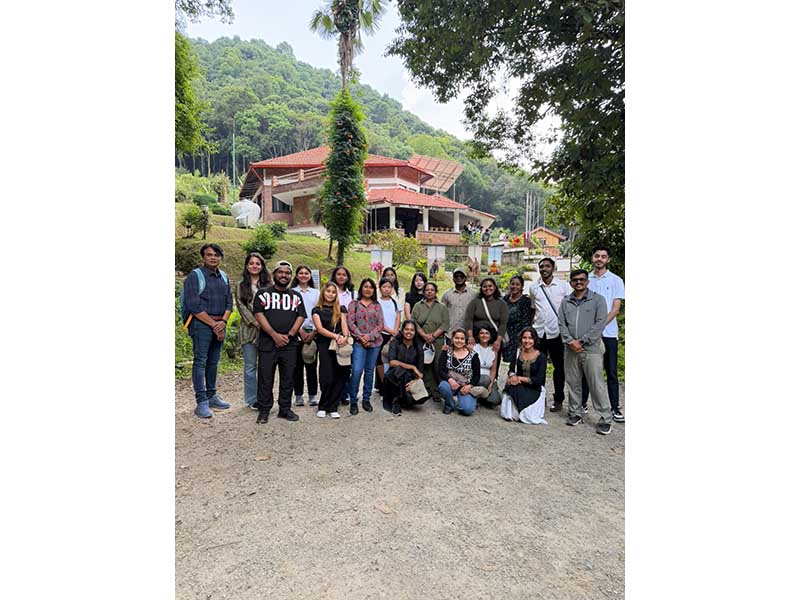
Shriya Raina, Program Associate, represented WISCOMP at the South Asia Youth Workshop on Climate, Peace and Security, held from June 25–28, 2026. The workshop brought together young peacebuilders, researchers, and civil society practitioners from across Bangladesh, Bhutan, India, the Maldives, Nepal, Pakistan, and Sri Lanka for four days of presentations, expert lectures, field engagement, and collaborative working group sessions on the intersections of climate change, peace and security. Shriya presented on WISCOMP’s work at the intersection of gender, human security and climate-sensitive peacebuilding, situating the organisation’s approach within the broader regional conversation on inclusive climate action.
Regional Conference: Rethinking Responses through Indigenous Knowledge
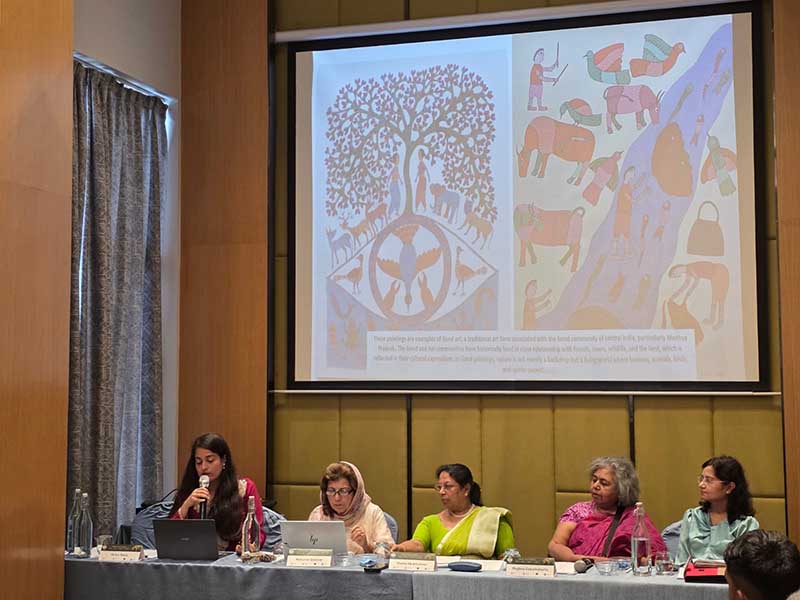
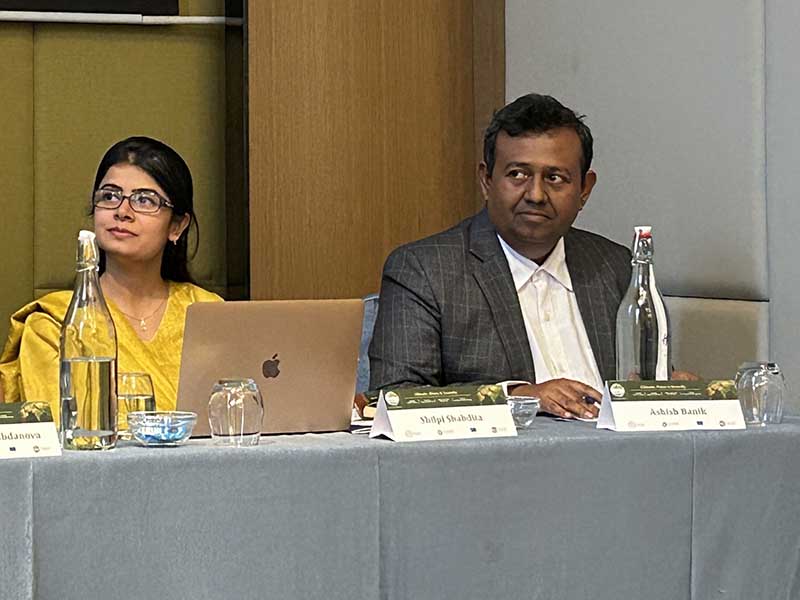
The workshop was followed by the South Asia Regional Conference, held on June 29–30, 2026. Shilpi Shabdita, Assistant Director, represented WISCOMP at the conference which examined the role of dialogue, trust-building, and community knowledge systems in strengthening climate resilience. Shilpi’s presentation foregrounded the revitalisation of indigenous and traditional epistemes as a foundation for epistemic justice in climate governance, arguing for approaches that recognise community and indigenous knowledge as central — not peripheral — to climate adaptation and peacebuilding outcomes.
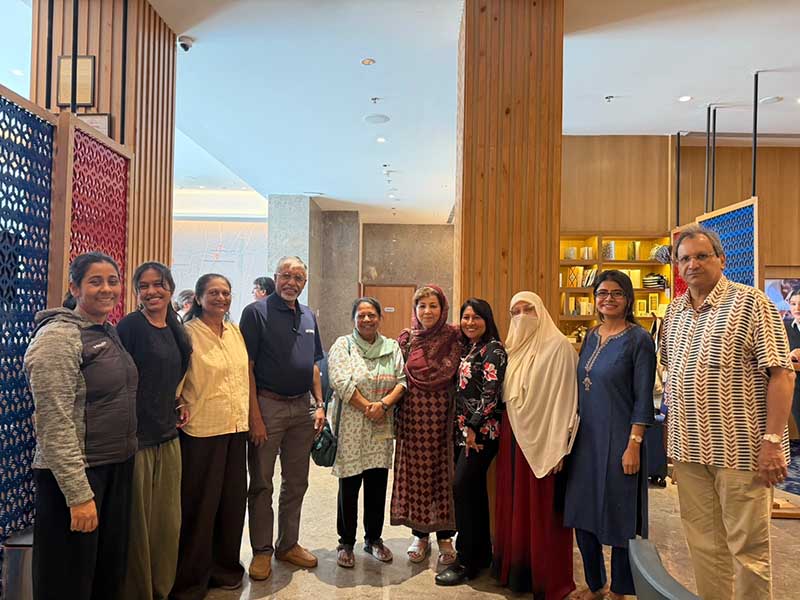
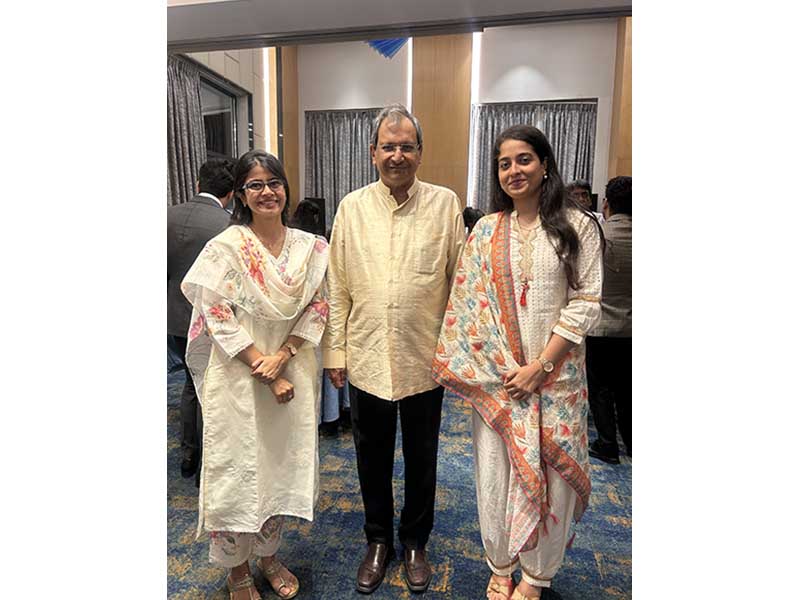
Across the workshop and conference, WISCOMP engaged with a wide gathering of policymakers, diplomats, UN Women representatives, researchers, and civil society leaders from South Asia and yond, including representatives from GPPAC’s networks in Southern Africa, Latin and Central America, and Central Asia. The engagement reaffirmed WISCOMP’s long-standing partnership with the GPPAC South Asia network and its continued commitment to advancing women’s leadership, youth participation, and locally and indigenously grounded knowledge in the climate, peace, and security space. peace.