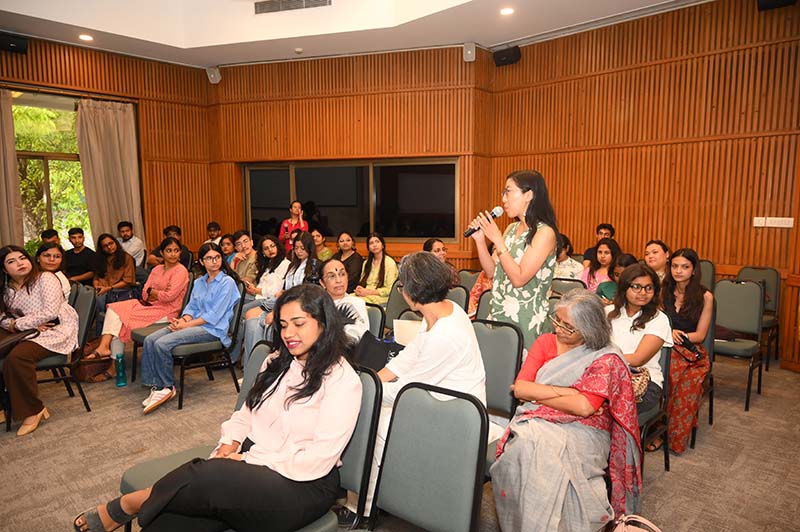
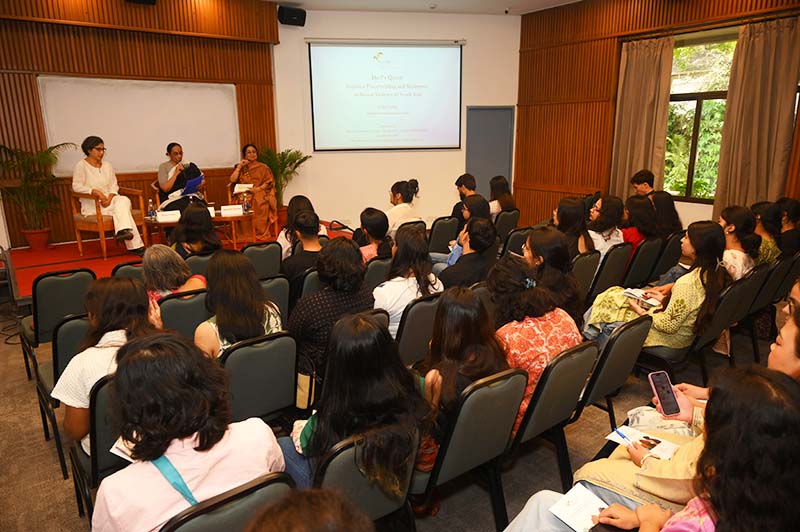
WISCOMP organized a dialogue and deliberative workshop Devi’s Quest: Feminist Peacebuilding and Resistance to Sexual Violence in South Asia on 4th April 2026 at India International Centre. Bringing together students from Ambedkar University Delhi and South Asian University, along with a group of academics and civil society leaders, the workshop turned the spotlight on feminist peacebuilding and the persistent realities of structural erasure of sexual violence in conflict across South Asia. Through documentary screening, scholarship, and student-led performative expressions, the program explored how women are not the passive beneficiaries of peace, but its architects, its casualties amidst the imperatives of nation-building, and – when given genuine space – its most tenacious advocates. It critically examined the structures and cultures of impunity around sexual violence, the ways in which post-conflict states manage the memory of sexual violence, the contradictions between the rhetoric of the ‘liberated woman’ and the reality of her abandonment within revolutionary movements, and the limits of transitional justice frameworks and pathways to just peace.
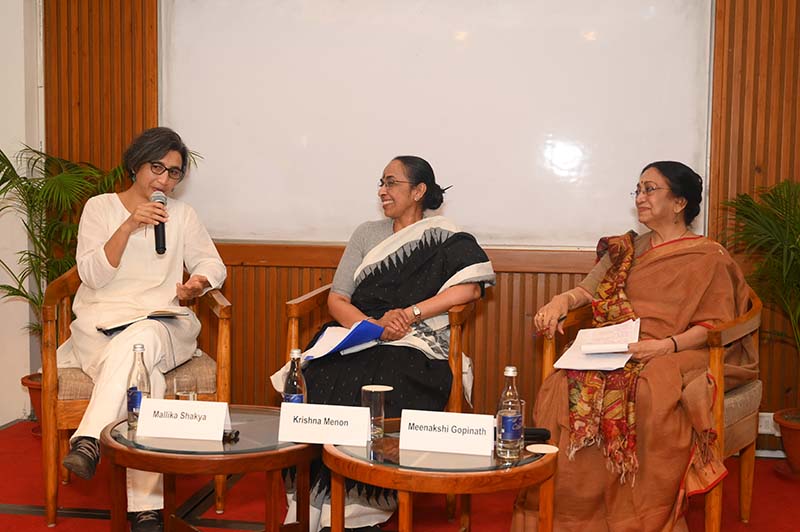
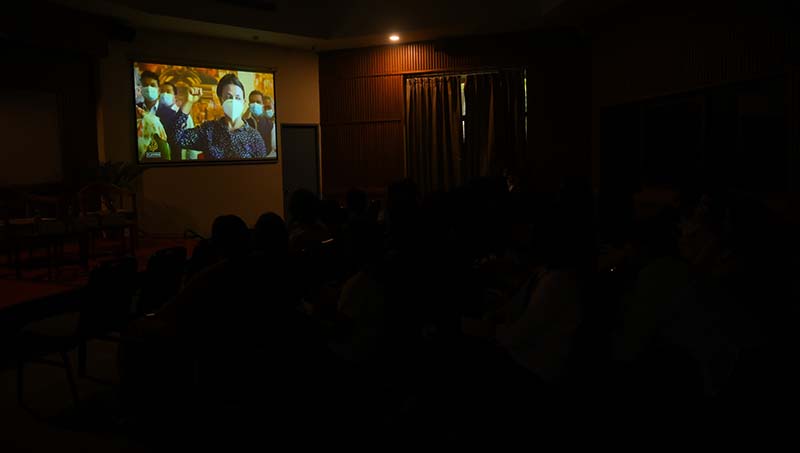
Participants engaged with the documentary ‘Devi Khadka: The Undefeated’, which was a compelling testimony of Nepali activist Devi Khadka’s journey from being a Maoist guerrilla fighter to a wartime rape survivor, parliamentarian, and later an advocate for the dignity of women survivors of sexual violence in conflict. The film poignantly captured the ambivalent empowerment of women in conflict – caught between two armed patriarchies of the state and militants – even as they navigate the choppy terrain of cultures of silence and impunity to seek justice. The screening was followed by a reflective dialogue where Prof. Krishna Menon, Professor, School of Human Studies, Ambedkar University Delhi, was in conversation with Dr. Mallika Shakya, Associate Professor, Department of Sociology, South Asian University, and Dr. Meenakshi Gopinath, Director, WISCOMP.
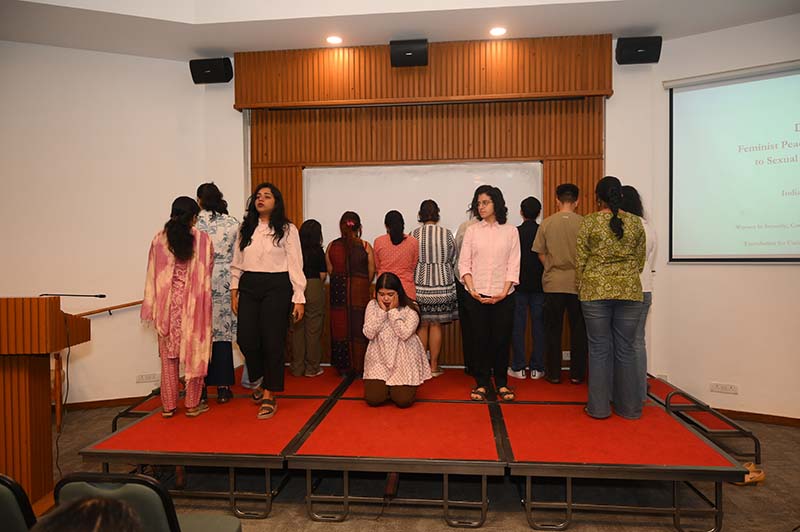
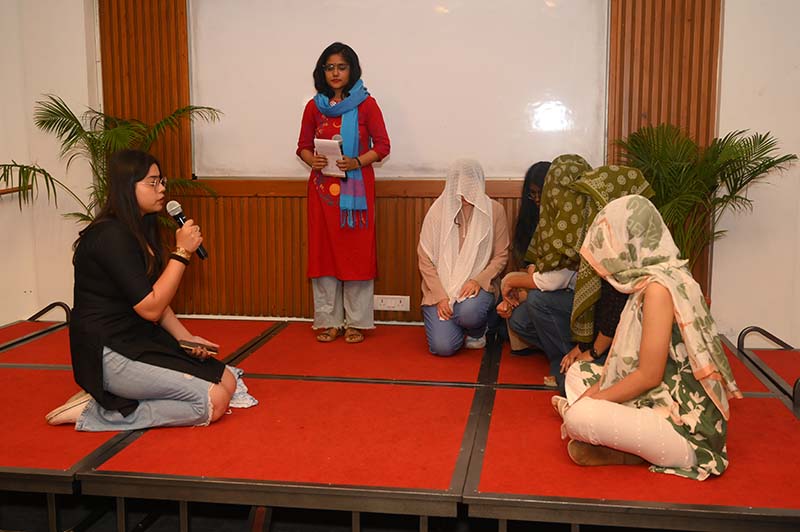
The program culminated in performative expressions by students who creatively engaged with themes of feminist resistance, memory, voice, and justice in South Asia through a gender lens.
.