What does it take to build higher education institutions that are truly inclusive, spaces where gender justice is not an afterthought, but embedded in everyday administrative and pedagogical practice?
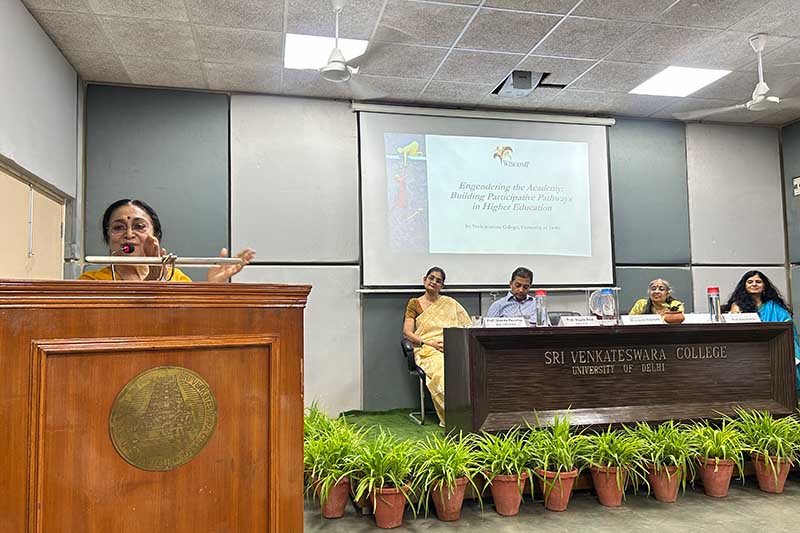
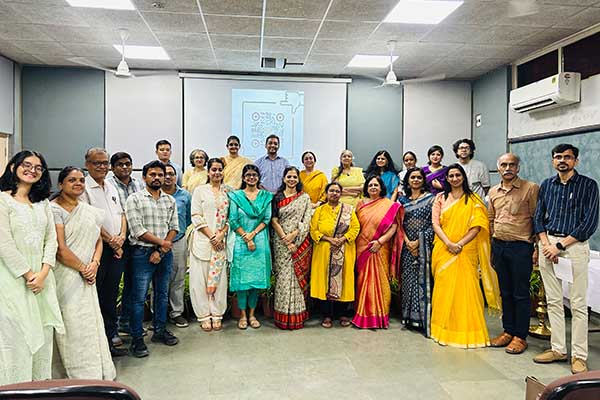
In continuation of its efforts to infuse ideas of inclusion and gender justice into the Indian higher education space, WISCOMP, in collaboration with the Internal Quality Assurance Cell (IQAC) of Sri Venkateswara College (SVC), University of Delhi, conducted a series of workshops titled Engendering the Academy: Building Participative Pathways in Higher Education, held between August 20 and September 10, 2026.
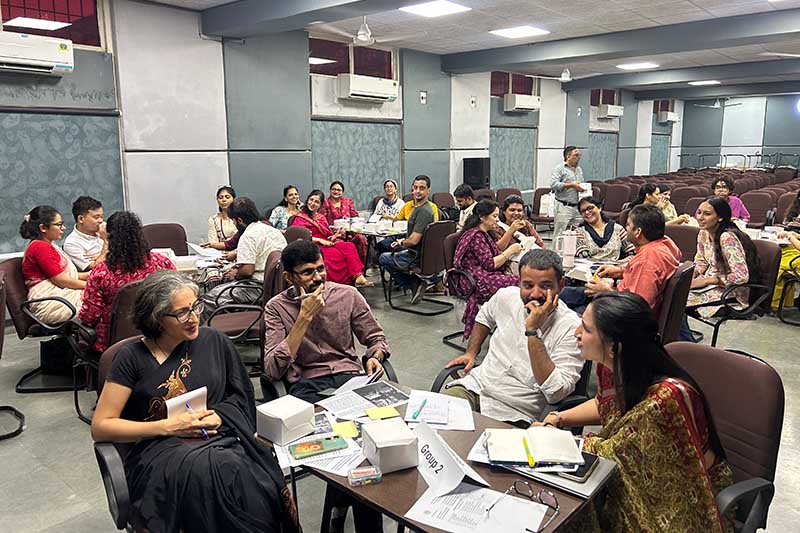
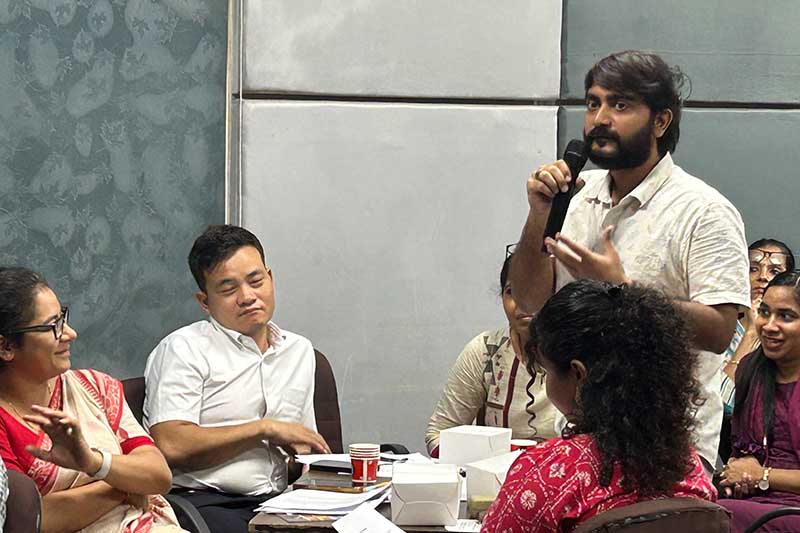
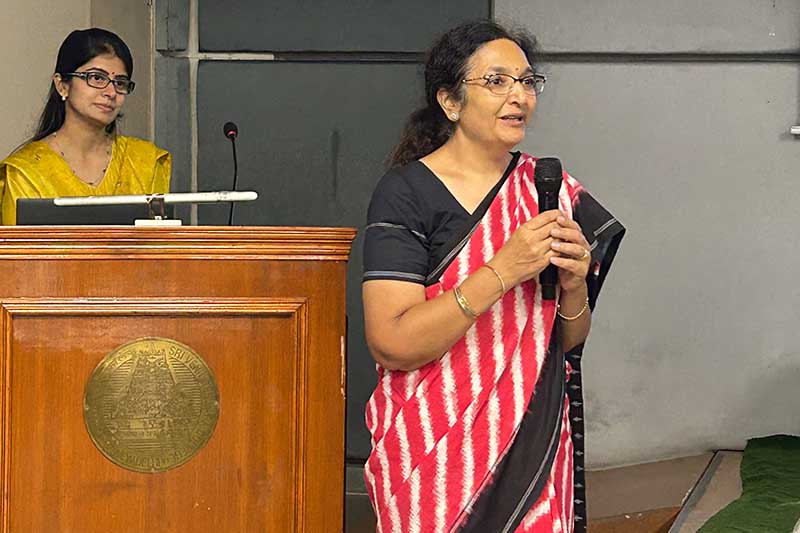
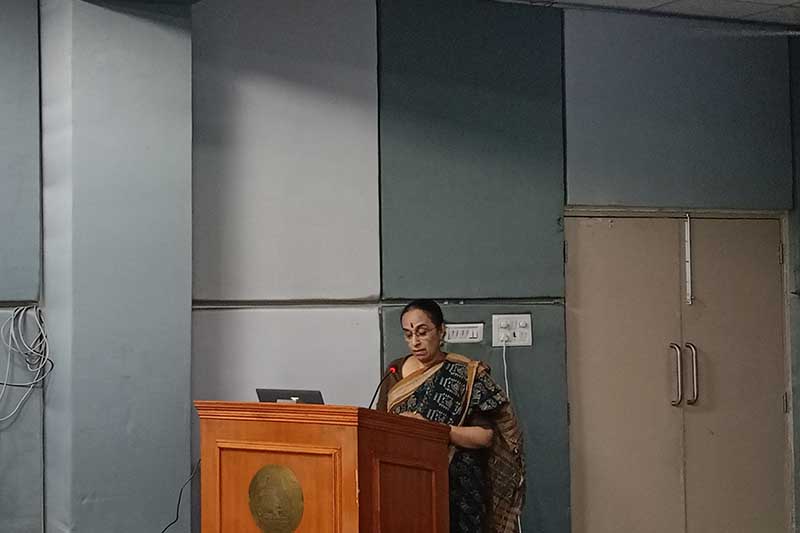
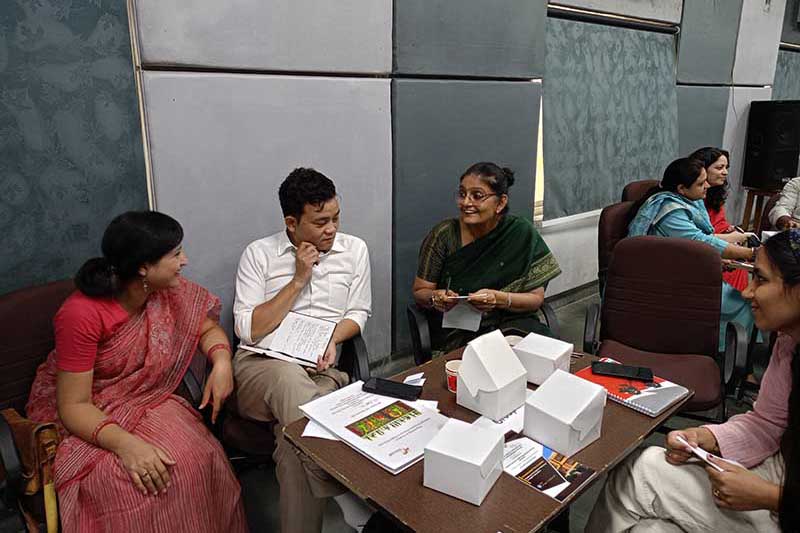
The series opened with a plenary address on the role of higher education institutions as generative spaces for inclusion and equality, setting the tone for the following sessions. Facilitated by Dr. Meenakshi Gopinath, Prof. Krishna Menon, Seema Kakran, and Shilpi Shabdita, the subsequent workshops brought together the college’s senior management, faculty, and students of the Women’s Development Cell through a range of participatory methods like hermeneutic exercises, time-use exercises, case studies, and small-group discussions, designed to move participants from abstract discussion into lived reflection. These sessions opened up space for dialogue on the gendered nature of violence, including sexual harassment, informed consent, existing legal frameworks, and safety in and around campus, as well as the masculinities, unconscious biases, and power dynamics that often become institutionally ingrained over time.
SVC has been pioneering engendered administrative and pedagogical practices on its campus, and the workshops offered WISCOMP an opportunity to commend this work and the organisational culture the college has built over the years. The series concluded with participants identifying concrete areas for action to further promote gender-just and inclusive practices on campus.